


If you’re considering a hair transplant, one of the first things you may want to know is how long the transplanted hair will actually last. A hair transplant involves moving your own hair follicles from one area of the scalp to another, so the result is not simply about how quickly the new hair grows. It is also about how those transplanted follicles behave over the years.
For many people, transplanted hair can continue to grow for a long time. However, a hair transplant does not stop the natural progression of hair loss in areas that have not been treated. Your age, pattern of hair loss, donor hair, the number and placement of grafts and your individual healing can all influence the longer-term appearance.
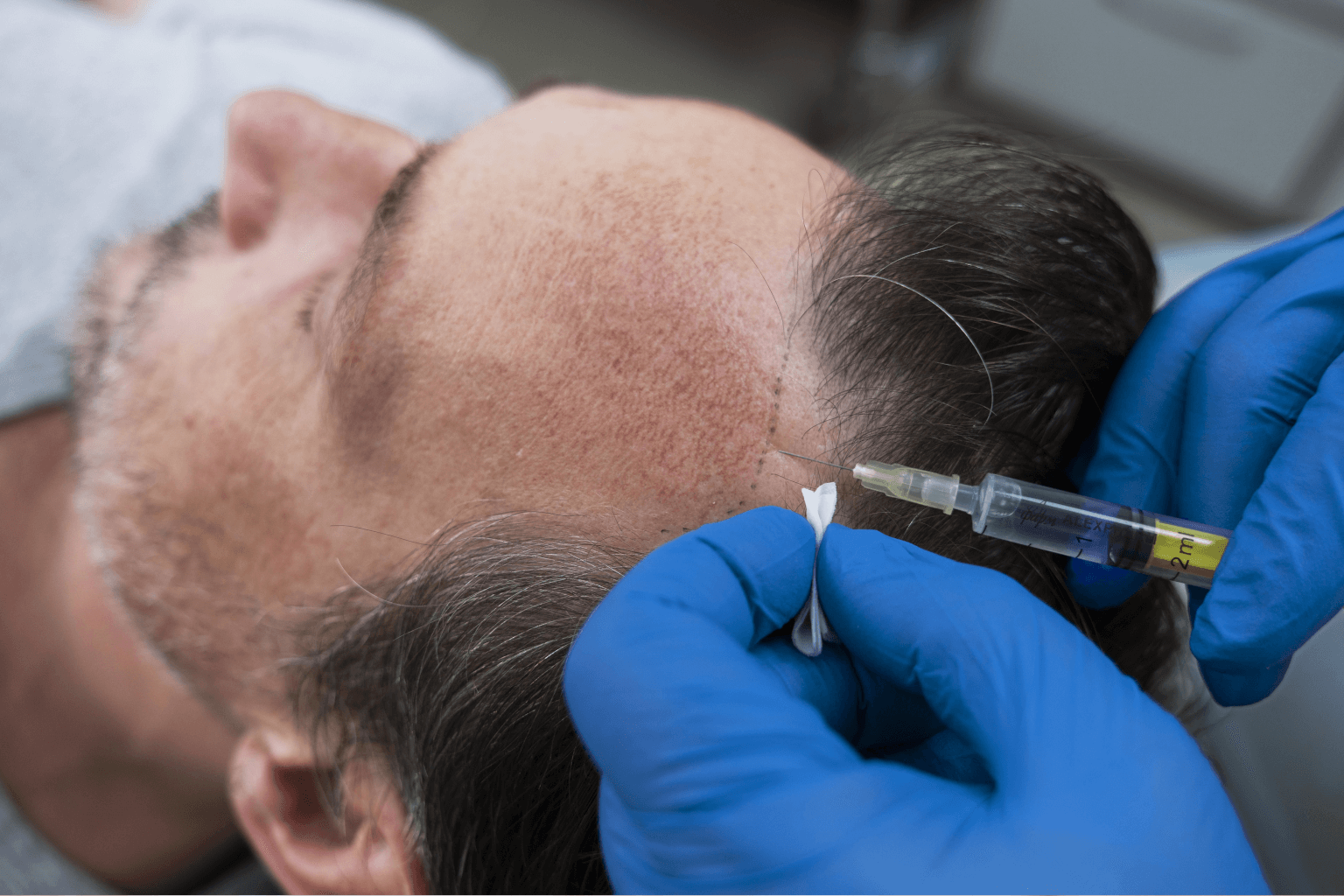
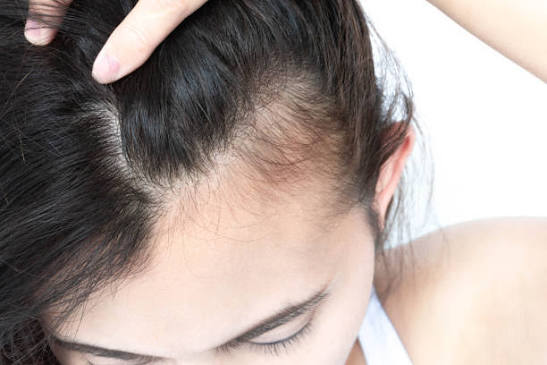
What Happens to Transplanted Hair Over Time?
After a hair transplant procedure, the transplanted follicles need time to settle and establish themselves in their new location. The visible hair does not simply continue growing from the day of surgery. It is common for the transplanted hairs to shed during the early stages. This can be concerning if you are not expecting it, but shedding can occur before new growth develops. Hair growth then progresses gradually over the following months.
The process generally looks something like this:
● Early weeks: The scalp begins to heal and the transplanted hairs may shed.
● Around 3–4 months: Early new growth may start to become visible.
● Around 6–9 months: More noticeable growth and density may develop.
● Around 12 months and beyond: The transplanted hair continues to mature, with some people seeing further changes after the first year.
The exact timeline varies from person to person, so it is important not to judge the final outcome too early.
Why Can Transplanted Hair Keep Growing for Years?
A hair transplant uses follicles from your own scalp. The donor area is usually selected from parts of the scalp where the follicles are less affected by the pattern of hair loss.
Once successfully transplanted, these follicles may continue producing hair in their new location for many years. This is why hair transplantation can provide a long-term approach to restoring hair in areas where it has become thinner or has been lost.
However, individual outcomes vary. Not every transplanted graft is guaranteed to establish successfully, and the appearance of the surrounding hair can continue to change.
Your Existing Hair Can Still Change
This is one of the most important things to understand when thinking about how long a hair transplant lasts.
A transplant moves follicles into an area affected by hair loss, but it does not necessarily stop the underlying cause of that hair loss. Your existing, non-transplanted hair may continue to become thinner over time.
For example, someone may have a transplant to restore a receding hairline, but later experience further thinning behind the transplanted area. The transplanted hair may still be growing while the surrounding natural hair changes.
This is why long-term planning is an important part of hair transplantation. Your practitioner will need to consider not only where you have lost hair now, but also your overall pattern of hair loss and the available donor supply.
From Transplant to Mature Growth: What to Expect
Hair growth following a hair transplant procedure is gradual, and the early appearance of the scalp does not necessarily reflect the longer-term result.
During the first few weeks, the scalp may be red, swollen or tender, and the transplanted hairs may shed. Your practitioner will provide instructions on caring for the scalp during this stage.

As the follicles enter a new growth cycle, new hairs begin to appear. These hairs may initially be fine before gradually becoming more noticeable.
By around six months, many people begin to see more obvious growth, although development continues. Depending on the individual, the transplanted hair may continue to mature for 12 months or longer.
What Can Influence Your Long-Term Outcome?
There is no single answer that applies to everyone. How a hair transplant develops and how the result looks over time can depend on several factors, including your pattern of hair loss, donor hair, graft placement and your individual recovery.
Your Pattern of Hair Loss
The cause and progression of your hair loss are important considerations. Some forms of hair loss remain relatively stable, while others continue to progress. If your existing, non-transplanted hair continues to thin after transplantation, it can gradually change the overall appearance of the treated area.
Your Donor Hair
The donor area provides the follicles used during transplantation. Your practitioner will assess the density, quality and availability of this hair when determining whether a transplant may be suitable. There is a finite supply of donor hair, so it needs to be planned carefully, particularly if you are relatively young or experiencing ongoing hair loss.
Graft Placement
The number and positioning of each hair graft can influence the appearance of the result. The available grafts need to be distributed according to the areas requiring coverage, existing hair density and the desired hairline design. A transplant does not recreate the exact density you had before hair loss, so the available grafts need to be used thoughtfully.
Your Age and Future Hair Loss
Age can be relevant when planning a hair transplant because your pattern of hair loss may continue to change. Someone experiencing active hair loss may have different considerations from someone whose hair loss has remained stable. Planning for potential future changes can help determine how the available donor hair should be used.
The Hair Transplant Technique
Different hair transplantation techniques, including FUE and FUT, use different approaches to harvesting donor follicles. The technique selected will depend on factors such as your hair loss pattern, donor area, hair characteristics and individual circumstances. Careful planning and handling of the grafts are important parts of the procedure.
Your Recovery and Aftercare
People heal differently following surgery. How your scalp responds, how the grafts establish and how closely you follow your post-procedure instructions can all influence the outcome. Your practitioner will discuss the recovery process, potential risks and aftercare requirements with you before treatment.

Can You Maintain a Hair Transplant Over Time?
The transplanted follicles may continue to grow without needing to be repeatedly transplanted. However, looking after your scalp and managing ongoing hair loss can still be important for maintaining the overall appearance of your hair.
Your practitioner may discuss other hair loss management options where appropriate, particularly if you are experiencing continued thinning in areas that have not been transplanted.
This does not mean that everyone who has a transplant needs ongoing medication or additional treatment. The appropriate approach depends on the cause and progression of your hair loss.
When Might Further Hair Treatment Be Considered?
A second procedure is not automatically required after a hair transplant. However, further treatment may be considered in some circumstances.
This could include:
● Continued hair loss in untreated areas
● Further thinning around the transplanted area
● A need for additional coverage or density
● Changes in your hairline over time
● The availability of sufficient donor hair for another procedure
Whether another procedure is appropriate depends on your individual circumstances. Your donor supply, existing hair, previous transplantation and pattern of hair loss would all need to be assessed.
What Should You Consider When Choosing a Hair Transplant Clinic?
If you are researching hair transplant clinics or looking into a hair transplant in Melbourne, it is worth considering the consultation and planning process as carefully as the procedure itself.
A thorough assessment should give you a clear understanding of:
● The cause and pattern of your hair loss
● Whether you may be suitable for transplantation
● The condition and availability of your donor hair
● The number of grafts that may be required
● Which hair transplantation techniques may be appropriate
● How your hairline and treatment areas may be planned
● The expected recovery and growth timeline
● The potential risks and limitations of treatment
● How future hair loss could affect the result
This can help you understand what a hair transplant may realistically achieve and how the result may change over time.

What Happens to Transplanted Hair Over Time?
After a hair transplant procedure, the transplanted follicles need time to settle and establish themselves in their new location. The visible hair does not simply continue growing from the day of surgery. It is common for the transplanted hairs to shed during the early stages. This can be concerning if you are not expecting it, but shedding can occur before new growth develops. Hair growth then progresses gradually over the following months.
Frequently Asked Questions
How long does a hair transplant last?
Transplanted hair can continue to grow for many years and may provide a long-term result. However, the non-transplanted hair around it can continue to thin, so the overall appearance of your hair may change over time.
Will transplanted hair fall out?
Temporary shedding of transplanted hairs can occur during the early stages following the procedure. New growth generally develops gradually as the follicles move through their growth cycle.
How long does it take to see new hair growth?
Early new growth may become visible from around three to four months, although the timeline varies. Hair can continue to develop and mature for 12 months or longer.
Can a hair transplant stop future hair loss?
No. A transplant moves hair follicles into areas affected by hair loss but does not necessarily stop the underlying process. Existing hair in untreated areas may continue to thin.
Will I need another hair transplant?
Not necessarily. Some people may consider further treatment if they experience additional hair loss or require more coverage. This depends on the individual pattern of hair loss and the amount of suitable donor hair available.
Does the transplanted hair need ongoing treatment?
Not necessarily. However, depending on the cause of your hair loss, your practitioner may discuss other treatment options to help manage thinning in non-transplanted areas.
Is FUE or FUT better for long-term results?
FUE and FUT are different hair transplantation techniques, and neither is universally suitable for everyone. The appropriate approach depends on factors such as your hair loss pattern, donor area, hair characteristics and individual circumstances.