PIGMENTATION TREATMENT MELBOURNE

Pigmentation refers to changes in the colour of the skin and can occur for a variety of reasons, including ageing and a number of other factors, from wear and tear to sun exposure. Some of the common conditions classified as pigmentation include melasma, vitiligo, freckles, liver spots, age spots, etc. Depending on the type of pigmentation, the practitioners at Cosmetic Skin Doctors clinic can recommend suitable treatment options based on your individual skin concerns. As with any cosmetic treatment, potential risks and side effects will be discussed during your consultation.

It is also essential to understand the type of pigmentation you are dealing with before beginning any treatment.

HOW PIGMENTATION TREATMENT WORKS

Pigmentation treatments are designed to target areas of excess pigment while preserving the surrounding skin. Depending on the type of pigmentation and your individual skin concerns, your practitioner may recommend laser treatment or another suitable treatment approach.

Laser technology works by delivering controlled energy into the skin, where it is absorbed by the excess pigment. Over time, the body naturally clears away the treated pigment, which may help improve the overall appearance of uneven skin tone.

Not all pigmentation responds in the same way, which is why a thorough consultation and skin assessment are an important part of treatment planning. Your practitioner will discuss the most appropriate approach based on the type, depth, and cause of your pigmentation, along with any potential risks, expected recovery, and likely treatment timeframe.

UNDERSTANDING THE DIFFERENT TYPES OF PIGMENTATION

Pigmentation of the skin can happen due to a number of reasons, from sun exposure to hormonal changes. A skin practitioner can help identify the type of pigmentation you have through a detailed consultation and assessment.

Some of these types of pigmentation include:

1. Melasma

Melasma is a condition wherein freckle-like spots appear on the skin either due to sun exposure or pregnancy. Management of this condition can be complex, keeping in mind that treatment can make the pigmentation worse in some cases. Following a thorough skin assessment, our practitioners can recommend appropriate management options based on your individual presentation.

2. Vitiligo

Vitiligo is a skin condition wherein the lack of melanin causes patches to appear on the skin. While there is currently no cure for vitiligo, some treatments may help reduce the contrast between affected and unaffected areas of skin, depending on the individual.

3. Lentigines

These are spots that look quite similar to freckles. However, they vastly differ from each other. Where one is a result of melanin increase, the other is due to melanocytes, which is an increase in the number of cells that produce melanin.

Lentigo can be both a result of sun exposure and something that is already present at the time of birth. Lentigines have many forms, and, therefore, may have different treatment options. Following a thorough assessment, your practitioner can discuss suitable treatment options based on your skin and the type of pigmentation present.

4. Birthmarks

Birthmarks can be both vascular and pigmented. Treating birthmarks requires a number of considerations in order to make sure the area around the birthmark is left undisturbed. Further, the nature of the birthmarks plays an important role in determining the most appropriate management approach.

5. Cafe au lait spots

These are so-called owing to the colour of the pigmentation. Cafe au lait spots are either dark or light brown in colour and are often caused due to genetic conditions. These are commonly present from birth or become apparent during early childhood.

6. Port-wine stain

Port-wine stains usually occur on the limbs, the abdomen, or the head, and are flat and coloured and management options depend on their location and characteristics. However, treatment outcomes can vary depending on the size, location, and characteristics of the port-wine stain. Laser treatment may be considered for some port-wine stains, depending on individual suitability and clinical assessment.

7. Macular stain

Macular stains are birthmarks that are flat and red. These are due to blood vessels being developed and can appear at the back of the neck, on the forehead, etc. While these fade away during childhood, some remain even through adulthood.

8. Hemangioma

In some cases, small blood vessels show up on the skin as a collection, causing pigmentation. Some haemangiomas reduce in size over time and may not always require any treatment.

9. Age spots or liver spots

Depending on their characteristics, management options for liver or age spots may include topical treatments, laser treatments, or other approaches depending on the individual presentation.

Every type of pigmentation requires different treatment options, depending on the patient’s skin and the extent of pigmentation. It is also important to understand that the treatment and the results of the treatment are subjective, with the outcome varying for each patient.


POTENTIAL BENEFITS OF PIGMENTATION TREATMENT

Depending on the type of pigmentation being treated and your individual skin condition, treatment may offer a number of benefits, including:

  • Improvement in the appearance of uneven skin tone
  • Reduction in the visibility of certain pigmented lesions
  • A more even-looking complexion
  • Treatment plans tailored to your individual skin concerns
  • Non-surgical treatment options for suitable candidates
  • Progressive improvements over a series of treatments, where recommended

Your practitioner will discuss the expected outcomes, treatment limitations, and any associated risks during your consultation.

PRE & POST TREATMENT CARE

Following your practitioner’s instructions before and after treatment plays an important role in supporting the healing process.

Before Treatment
  • Avoid excessive sun exposure and tanning where possible.
  • Inform your practitioner about any medications, skincare products, or recent cosmetic treatments.
  • Follow any preparation instructions provided during your consultation.
After Treatment
  • Keep the treated area clean and protected.
  • Apply sunscreen daily and avoid unnecessary sun exposure while your skin heals.
  • Avoid picking or scratching any treated areas.
  • Follow your personalised aftercare instructions, including any recommended skincare products or follow-up appointments.

Your practitioner will provide specific advice based on your treatment and skin type.

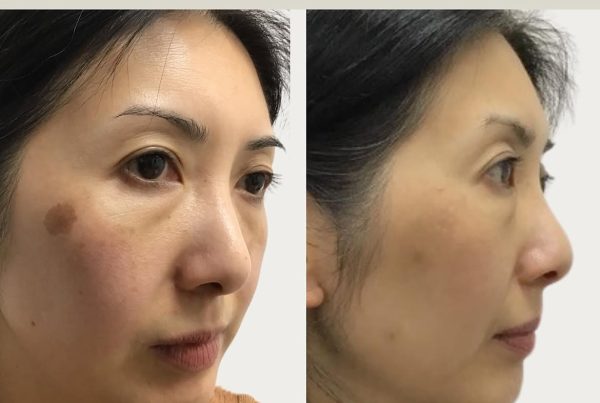
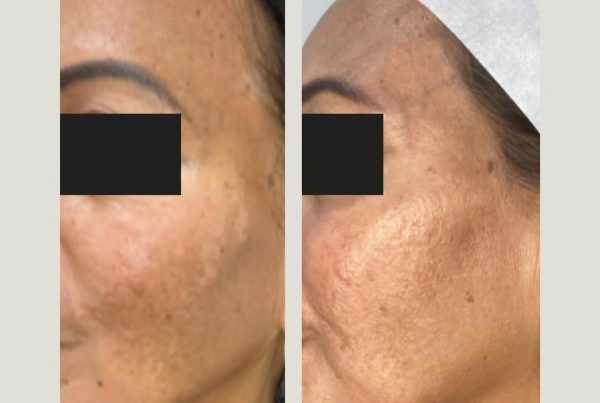
TREATMENT JOURNEY: BEFORE & AFTER

Every individual’s skin is different, and treatment outcomes vary depending on the type of pigmentation, skin characteristics, and the treatment performed.

Disclaimer: The images shown are of actual patients treated at Cosmetic Skin Doctors. Results vary between individuals. All medical and cosmetic procedures carry potential risks. A consultation is required to determine whether treatment is appropriate for your individual circumstances.

PIGMENTATION ASSESSMENT AND MANAGEMENT AT CSD CLINICS IN MELBOURNE

At CSD clinics, our practitioners assess a wide range of pigmentation concerns and discuss treatment options based on your individual skin type and presentation. Following a thorough assessment, a personalised treatment plan can be developed based on your skin concerns, treatment goals, and clinical suitability.

To learn more about pigmentation assessment and the treatment options that may be suitable for you, book a consultation with our team.

FREQUENTLY ASKED QUESTIONS

What causes pigmentation?

Pigmentation can develop for a variety of reasons, including sun exposure, hormonal changes, genetics, inflammation, certain medications, and the natural ageing process. A consultation can help identify the likely cause of your pigmentation and discuss suitable management options.

How many pigmentation treatments will I need?

The number of treatments required varies depending on the type, depth, and extent of the pigmentation, as well as the treatment recommended. Some concerns may require multiple sessions, while others may respond differently. Your practitioner will discuss an appropriate treatment plan during your consultation.

Is pigmentation treatment painful?

The level of discomfort varies depending on the treatment performed and the area being treated. Most people describe the sensation as mild and well tolerated. Your practitioner will explain what you can expect before your treatment.

Is there any downtime after pigmentation treatment?

Recovery varies depending on the treatment used. Some people experience temporary redness, mild swelling, or darkening of the treated pigmentation before it gradually fades. Your practitioner will provide personalised aftercare instructions and explain what you can expect.

Can pigmentation return after treatment?

Some types of pigmentation may return over time, particularly if the underlying cause remains or the skin is exposed to ongoing sun exposure. Following your practitioner's advice, including appropriate sun protection, may help support longer-term management.

Am I suitable for pigmentation treatment?

Suitability depends on several factors, including the type of pigmentation, your skin type, medical history, and treatment goals. A consultation with one of our practitioners is the best way to determine which treatment options may be appropriate for you.

What Our Patients Say

Book a Cosmetic Consultation

At CSD CLINICS, a cosmetic consultation with our highly experienced cosmetic consultant is only $50 and is redeemable on any procedure. All of your questions about any cosmetic or skin procedures can be discussed within the consultation and also an assessment as to which procedures best suit your skin. Simply call us on 03 9090 0099 to book or fill in the form below.

    What makes us great

    Close Menu